
How Much Are Braces in 2026? Fort Lauderdale Family Guide
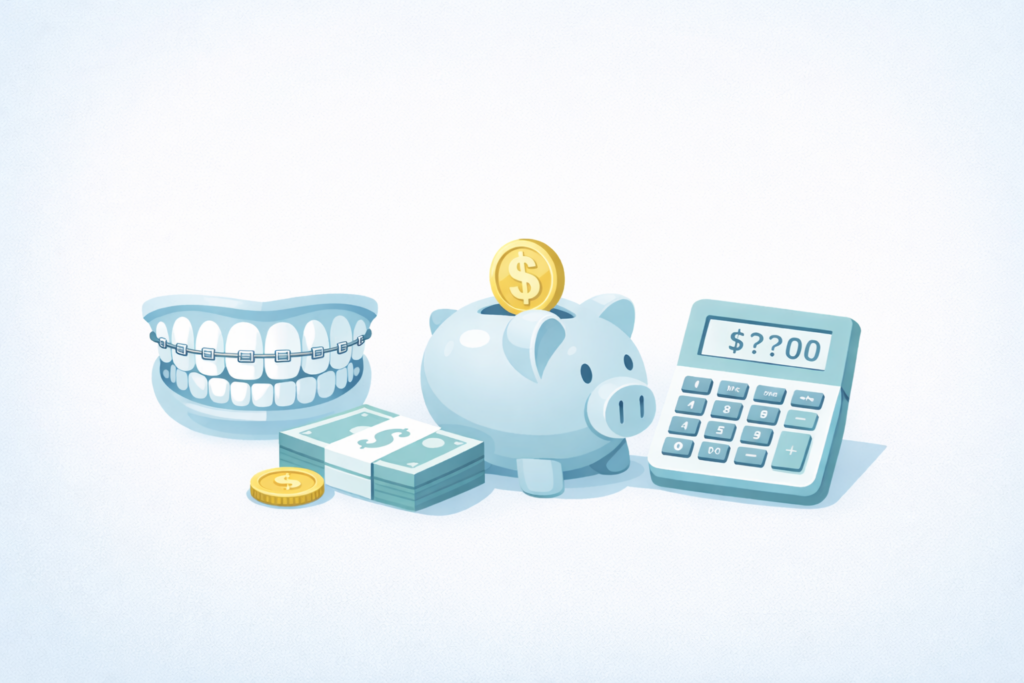
A perfect smile is priceless, but achieving it does come with a price tag. The bad news is that there is no single, definite answer to “How much do braces cost?” The good news is that the main pricing factors are pretty straightforward and predictable.
Right now, the average cost of braces typically falls between $3,000 and $10,000 for comprehensive treatment; most people pay around $5,000 to $6,000. The exact price depends on the type of braces, the difficulty and length of treatment, your age and location, and whether you have dental insurance. Understanding these variables can help you make an informed decision and save thousands of dollars on your orthodontic treatment.
This comprehensive guide will break down everything you need to know about the cost of braces in 2025. We'll explore the pricing for different types of braces, explain what influences the final bill, and discuss insurance and payment options. This will help you understand why this investment is worth considering.
Average Cost of Braces in 2025
Before we discuss how much braces cost in detail, here's a quick breakdown of treatment for the main types of braces available, their average costs, and the main pros and cons.
Factors That Affect the Cost of Braces
There isn’t a flat “one price fits all” cost for braces. Everyone’s treatment is a little different, and a few key factors will ultimately decide what you pay . When you understand what truly drives the cost, it becomes much easier to compare quotes, plan ahead, and potentially save some money in the process.
Type of Braces
The kind of braces you choose has the biggest impact on price. Different approaches use different materials and technologies, each carrying different price points and suited to particular lifestyles and dental situations.
- Traditional Metal Braces – The Most Affordable Option
Traditional metal braces are made from durable stainless steel and are attached to the front of your teeth. They are the most affordable option for straightening teeth, with prices typically ranging from $3,000 to $7,000 depending on where you live and how complex your case is. The low cost is due to the widespread availability of the materials and the fact that orthodontists have decades of experience using them. They’re highly effective for treating a wide range of issues, including severe crowding and bite problems.
However, the main downside is their visibility. These braces are noticeable, which can be a concern for some people. Additionally, while they work well for most people, they can sometimes cause irritation inside the lips, especially after adjustments.
- Ceramic Braces – A Discreet Alternative, But More Expensive
Ceramic braces work like traditional metal braces, but the brackets are made from a clear ceramic material that blends better with your natural tooth color. They are a great option if you want something less visible but are still highly effective. Ceramic braces typically cost between $4,000 and $8,500, which is higher than metal braces due to the more complex process of making the ceramic brackets and the extra customization involved.
While they are more discreet, ceramic braces have some drawbacks. They can stain if you’re not careful with your cleaning habits, and the brackets can be slightly larger than metal ones. The ceramic material is also more prone to breaking or chipping.
- Clear Aligners (Invisalign) – Nearly Invisible, But Requires Commitment
Clear aligners, like Invisalign, are a series of transparent, removable plastic trays that you wear over your teeth. A digital scan of your mouth is used to create the aligners, which are replaced every one to two weeks. They cost between $3,500 and $8,000, depending on how complex the treatment is and the number of aligners you need.
The biggest appeal of clear aligners is their invisibility and the fact that you can remove them for eating or brushing your teeth. However, clear aligners require you to wear them for 20-22 hours per day for them to work effectively. If you forget to wear them as directed, your treatment could be delayed, which could increase the overall cost.
- Lingual Braces – Completely Hidden, But at a Premium Price
Lingual braces are custom-made metal braces that are placed on the back of your teeth, making them completely invisible from the front. These braces are made to fit the unique shape of each tooth, which requires advanced digital imaging and specialized lab work, making them the most expensive option. You can expect to pay between $8,000 and $13,000 for lingual braces, depending on your location and how complex the treatment is.
The key benefit of lingual braces is that they’re completely hidden, but they come with a few challenges. The process of fitting them requires a high level of expertise, which is why they cost more. Some people may notice changes in their speech initially, and the braces can be more difficult to clean compared to front-mounted options.
Age
This might come as a surprise, but age plays a role, too. Treatment for adults usually costs more, about 20-25% higher than for kids or teens.
The main reason is that children’s jaws are still growing, so their teeth move more easily. Adults, on the other hand, have fully developed bone structures, which can make treatment a little more complex and time-consuming. Plus, many adults already have worn, shifting, or old dental work that needs to be factored in.
Length and Difficulty of Treatment
The severity of your orthodontic issues is a big factor. Minor crowding or spacing problems might cost between $3,000 and $4,500, while moderate alignment challenges typically range from $5,000 to $7,000. Severe bite problems (your dentist might call them malocclusions) or complex cases that require specialized appliances can easily go over $8,000. Treatment duration also plays a significant role. Longer treatments require more adjustments and materials, so they end up costing more.
Geographical Location
Where you get orthodontic services matters quite a lot. Treatment in metropolitan areas like New York or San Francisco may cost 30-40% more than similar treatment in smaller cities or rural places. This is because orthodontic practices in cities with high commercial rent and labor costs naturally need to charge more to cover their expenses
Orthodontist’s Experience
An orthodontist's experience and reputation can influence their pricing. Specialists with decades of experience or those using cutting-edge technology often charge premium rates, sometimes 20-25% above the average. While you might pay more upfront, their expertise may result in more efficient treatment and better outcomes.
Why Are Braces Expensive?
Understanding what goes into the cost of braces can help you appreciate the value behind the price tag. Orthodontic treatment involves significantly more than just the brackets and wires you see. It's a complex process that demands specialized expertise, advanced technology, costly materials, and ongoing care.
Materials and Technology
The physical components of braces, such as brackets and wires, are just one part of the overall cost equation. Modern orthodontics uses advanced digital technology, including 3D imaging and digital scans. Many practices also use computer-assisted treatment planning. These technologies improve precision and outcomes, but require significant investment, for clear aligner systems like Invisalign, proprietary software, and custom manufacturing processes for each aligner in the series contribute to the cost.
Professional Expertise and Labor
An orthodontist's expertise doesn't come cheap. After four years of dental school, they complete an additional 2-3 years of specialized orthodontic residency training. This extensive education enables them to diagnose issues and develop effective treatment plans accurately. Your treatment fee also covers the time-intensive process of placing braces, making regular adjustments (typically every 4-8 weeks), and monitoring progress throughout the treatment period.
Comprehensive Treatment
Most orthodontic quotes are all-inclusive, covering not just the braces but many associated services. This typically includes:
- Initial consultation and diagnostics (x-rays, photographs, digital scans)
- All adjustment appointments throughout treatment
- Emergency visits for repairs
- All sets of retainers
- Retention check appointments
How Much Do Braces Cost with Insurance
Dental insurance can reduce your out-of-pocket expenses for orthodontic treatment noticeably. It’s important to understand how insurance works for dental services, so you can maximize your benefits and avoid unexpected costs.
Most insurance plans that cover orthodontics will pay approximately half the cost, up to a set limit, typically between $1,000 and $3,000. This means that if your braces cost $6,000 and your insurance has a $2,000 lifetime maximum, you would have to pay $4,000 out of pocket. So, even with insurance, you'll likely pay a big portion of the total cost. Still, savings can be significant.
Orthodontic coverage works differently from regular dental benefits. While your plan might cover 80-100% of preventive care, orthodontic coverage is almost always capped at a specific dollar amount, regardless of your plan's overall quality. Plus, many plans have age restrictions, with better coverage typically available for children and teens.
For those without insurance coverage, discount dental plans offer an alternative way to save. These plans typically cost $100-$200 per year and provide immediate savings of 15%-25% on orthodontic services. They don't technically replace insurance, but can help lower costs on braces and other dental services.
How to Maximize Your Insurance Benefits with Freeman Orthodontics
Freeman Orthodontics has a dedicated administrative team to personally handle insurance claims and help create an affordable payment plan for your specific situation. The practice accepts most major insurance plans and will manage the entire claims process for you. Here’s how you can get the most out of what Freeman Orthodontics offers.
Discuss benefits during your free consultation. The most reliable way to get your specific questions answered is to call Freeman Orthodontics directly. Provide your insurance details, and the team will perform an insurance benefit check to define your exact coverage.
Understand your plan in detail. Ask about waiting periods, age restrictions, caps, and whether any types of braces are excluded from coverage.
Ask about all payment options and discounts. During your complimentary consultation, discuss the full range of financial solutions offered by the practice.
Understand what's included: The treatment fee is designed to be all-inclusive, covering all appointments, emergency visits, and your initial set of retainers
Insurance Partnerships: List the insurance providers Freeman Orthodontics works with and explain how patients can maximize their benefits. This will be a unique, helpful section that’s very relevant.
Why Braces Are a Good Investment: Dr. Freeman’s Expert Insight
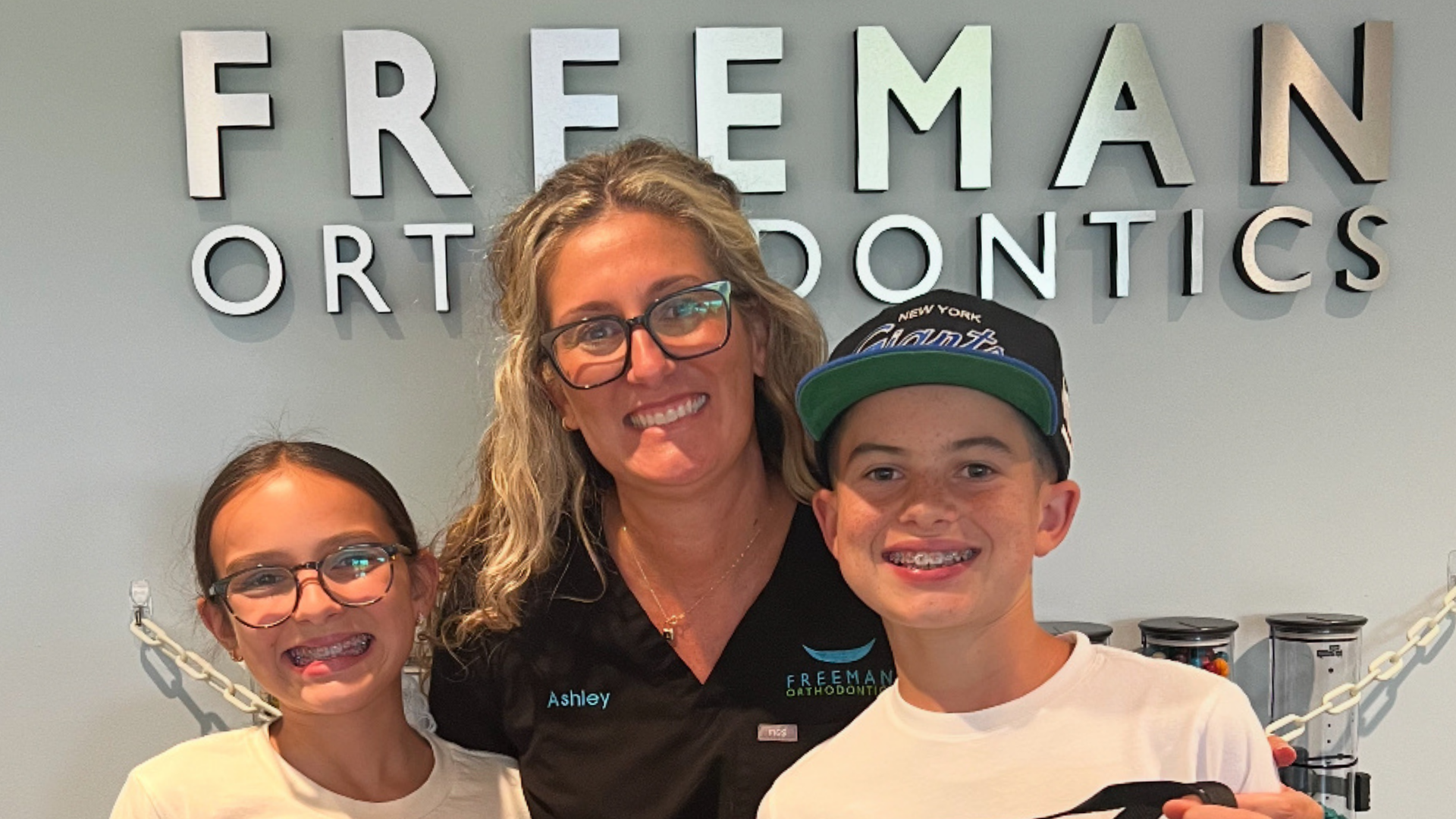
I've helped hundreds of patients start and complete their orthodontic journeys. And in all my decades of practice, I haven’t had a single patient regret investing in braces. The initial hesitation about cost is completely understandable, but it's consistently overshadowed by the lifelong benefits they experience.
The benefits go much deeper than a beautiful smile. First, there's the health aspect. Properly aligned teeth are fundamentally healthier teeth. They're easier to clean, which dramatically reduces the risk of cavities and gum disease throughout your life. A correct bite also prevents the abnormal wear and tear on your tooth enamel that can lead to chips, cracks, pain, and dental issues down the road. You're not just investing in straight teeth. You're investing in the long-term preservation of your natural smile.
Then there's the change in confidence. It's remarkable to witness. A patient who was once hesitant to smile fully will, after treatment, do so without a second thought. There’s a quiet self-assurance that comes from feeling good about yourself. That confidence impacts social interactions, professional opportunities, and overall quality of life in ways that are profound, yet difficult to put a price on.
As you ask "How much do braces cost?", don’t forget to also ask "What’s the long-term cost of not addressing these issues now?"
When you view it through this lens, the cost of braces changes from a simple expense into a strategic investment. You are allocating resources today to secure a future of better oral health, fewer dental complications, less stress, and the daily confidence that comes with a smile you love. The financial aspect is temporary, but the returns, both functional and emotional, will serve you for decades to come.
If you're still weighing the decision, the best next step is simply to get more information. We offer complimentary consultations with no pressure to commit. Come in, let's discuss your specific situation, and we'll provide you with clear, straightforward information. This gives you the knowledge you need to make the right choice for yourself with confidence.
To arrange your visit, you can call our office or book through our website. We're here to help you make an informed decision.
Frequently Asked Questions on Braces Cost
Are there payment plans for braces?
Yes. Most orthodontic practices offer payment plans. These plans typically break down the total cost into manageable monthly payments. Many offices, like Freeman Orthodontics in Fort Lauderdale, provide interest-free financing for the duration of your treatment.
Do all orthodontists charge the same price?
No. Orthodontist fees can vary. The price depends on their experience, the practice's location, and the technology they use. It is always wise to get a few consultations to compare.
How can I get braces covered by insurance?
First, check if your dental plan includes orthodontic benefits. Then, provide your insurance details to the orthodontic office. Their team will verify your coverage and handle the claims process for you.
What is the best age for braces?
The ideal time is often between ages 9 and 14, when the jaw is still growing. However, adults can get excellent results too. Healthy teeth can be moved at any age.
How long does treatment usually take?
The average treatment time is about 18 to 24 months. Simple cases may take less time. More complex cases can take longer. Your orthodontist will give you a personalized timeline.
What’s Next?
You now have a solid understanding of what shapes the price of braces. The final number is a combination of your choice in braces, the specific adjustments your teeth need, and factors like age and location. This might seem complex, but it simply means that your treatment plan is built around you.
Your next step is getting a plan designed specifically for your needs. A consultation does exactly that. It moves you from general price ranges to a firm number and a clear timeline. This is how you turn uncertainty into a confident decision.
It's completely normal to feel that the total cost is a lot to manage. But that total shouldn't stop you from getting the care you deserve. This is where insurance and payment plans change the game. Dental insurance can cover a significant part of the fee. For the remaining balance, flexible payment options are available. These plans break down the cost into smaller, predictable monthly payments, often with no interest. For many, this monthly amount is far more manageable than they expected.
You are investing in more than straight teeth. You are investing in a lifetime of easier cleaning, better oral health, and the daily confidence that comes from a smile you’re proud to share.
Don't let the upfront price tag delay your decision. Take the next step and schedule your free consultation. Get your exact cost, explore the payment options available to you, and start your journey toward a healthier, more confident you.
